Commercial Kitchen Case Studies
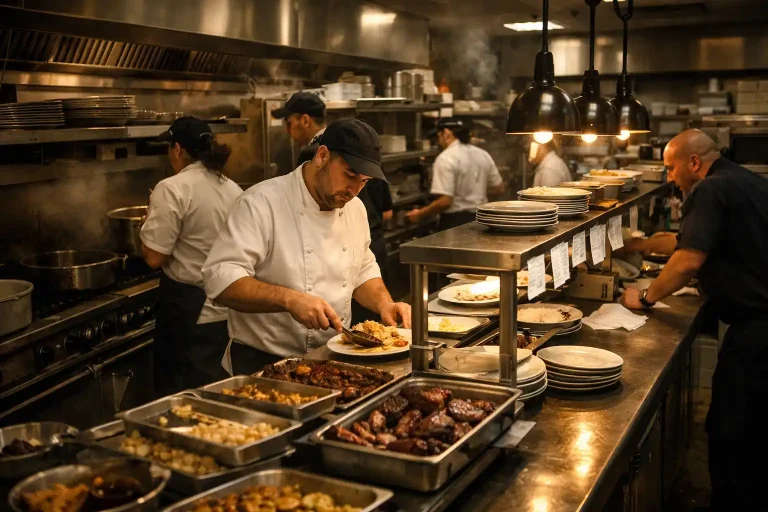
Real-world experience provides insights that theory alone cannot. This collection of commercial kitchen case studies highlights completed projects across restaurants, hotels, and large foodservice operations, showcasing practical solutions to design, operational, and budgetary challenges. By examining real commercial kitchen projects, restaurant kitchen case studies, foodservice kitchen projects, and hospitality kitchen installations, decision-makers can better understand how planning choices impact performance, compliance, and long-term operational efficiency.
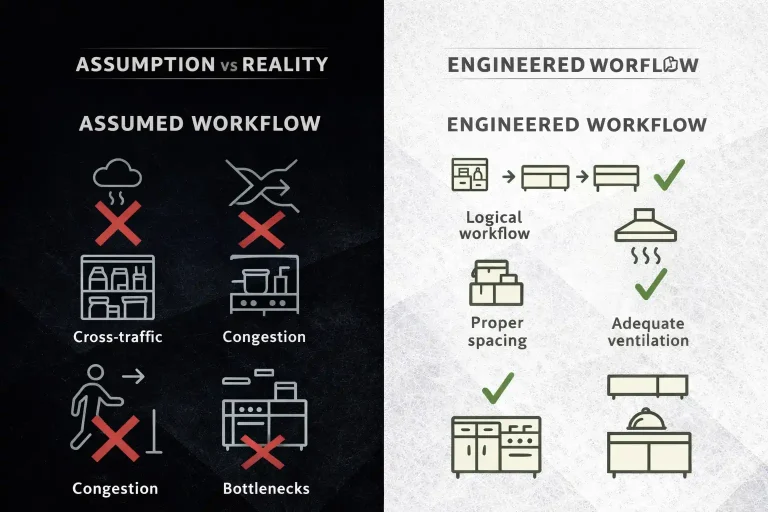
This section presents detailed project examples drawn from hands-on industry experience, covering key aspects such as kitchen layout planning, equipment selection, workflow optimization, and cost control. Each case study reflects real project constraints, site conditions, and operational requirements, offering valuable lessons for consultants, operators, and project managers involved in professional kitchen development.
Explore the case studies below to gain practical insights, avoid common project pitfalls, and apply proven strategies to future foodservice and hospitality kitchen projects.
Frequently Asked Questions
What information do these kitchen case studies provide?
These case studies document completed kitchen projects, explaining the design approach, equipment decisions, installation challenges, and operational outcomes in real foodservice environments.
Why are real project case studies important in kitchen planning?
They help project teams understand how design and planning decisions perform in practice, reducing risk and improving outcomes before committing to similar solutions.
What types of commercial kitchens are covered?
The case studies include restaurant kitchens, hotel kitchens, central production facilities, institutional foodservice operations, and specialized hospitality kitchens.
How can these examples support kitchen design decisions?
By reviewing real project outcomes, readers gain insights into workflow efficiency, space utilization, equipment performance, compliance considerations, and cost implications.
Do the case studies include cost and budgeting insights?
Many projects highlight cost-related decisions, budget constraints, and lessons learned that influenced both capital investment and long-term operational expenses.
Who benefits most from reading these case studies?
They are especially valuable for kitchen consultants, architects, project managers, procurement teams, chefs, restaurant owners, and hospitality operators.