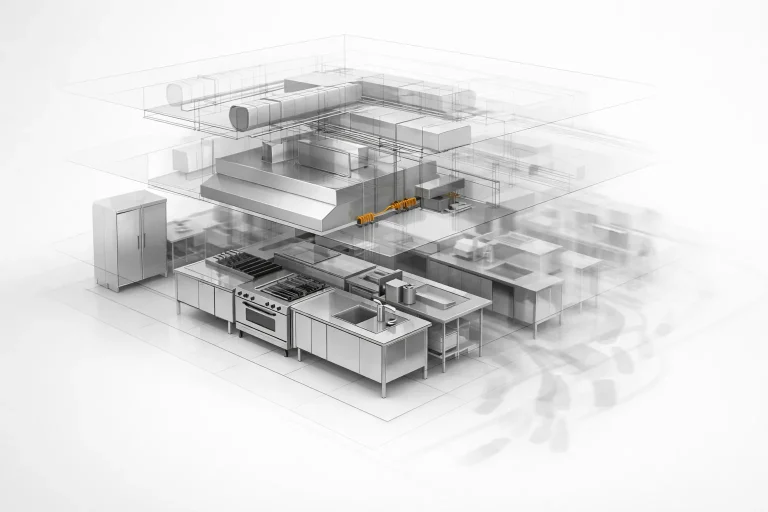
Why Lowest Price Equipment Often Costs More
When Cost Starts Behaving Differently Than Price Projects almost never fail at tender stage. On paper, everything aligns: prices are approved, quantities look clean, and the BOQ appears under control.
Choosing the right equipment is a critical step in building efficient and reliable foodservice operations. Commercial Kitchen Equipment Selection involves evaluating performance requirements, space constraints, energy efficiency, and long-term operating costs to support daily kitchen demands. By considering professional kitchen equipment planning, foodservice equipment specification, restaurant kitchen equipment choices, and hospitality kitchen equipment solutions, this section helps decision-makers align equipment investments with operational goals and project requirements.
This section focuses on practical guidance drawn from real project experience. Topics include equipment capacity planning, compatibility with kitchen layouts, energy and ventilation considerations, durability, maintenance needs, and total cost of ownership. A structured approach to equipment selection helps reduce operational risk, improve workflow efficiency, and ensure kitchens perform consistently in demanding foodservice environments.
It involves assessing operational needs, menu requirements, space availability, and performance criteria to choose equipment that supports efficient and compliant kitchen operations.
Selecting the right equipment improves productivity, reduces energy and maintenance costs, supports food safety, and minimizes operational disruptions over time.
Equipment must align with the kitchen layout to ensure smooth workflows, safe movement, adequate clearances, and proper integration with ventilation and utilities.
Key factors include capacity, durability, energy efficiency, ease of maintenance, compliance requirements, and total cost of ownership.
Yes. Equipment choices directly influence energy consumption, maintenance frequency, replacement cycles, and overall operational efficiency.
Chefs, operators, kitchen designers, consultants, and procurement teams should collaborate to ensure equipment meets both operational and technical requirements.

When Cost Starts Behaving Differently Than Price Projects almost never fail at tender stage. On paper, everything aligns: prices are approved, quantities look clean, and the BOQ appears under control.

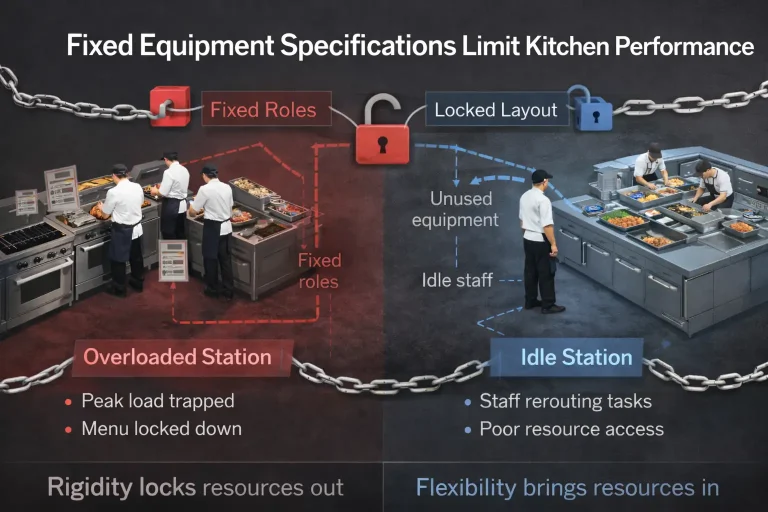
Why Rigid Equipment Decisions Limit Kitchen Performance In many commercial kitchen projects, equipment decisions are made early — sometimes too early. Specifications are frozen, brands are approved, and layouts are
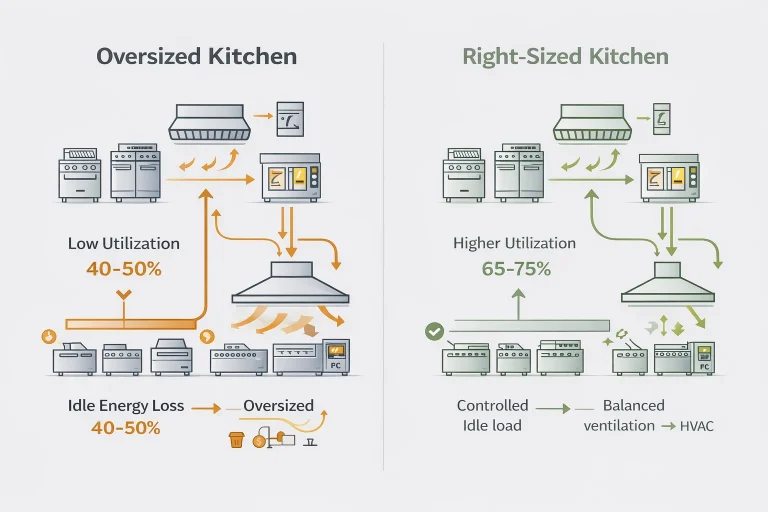
Why Energy Waste Starts After Installation — Not at Purchase Most commercial kitchens do not waste energy when they are busy. They waste energy when they are idle — but still
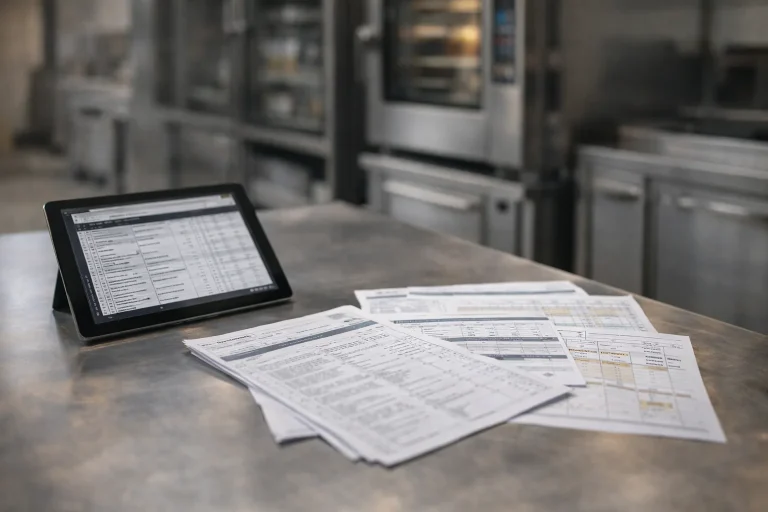
“Good Equipment Alone Does Not Fix a Bad Kitchen.” In many hotel and resort projects, we hear a familiar sentence from operators: “We bought high-quality equipment, but service is still slow.”
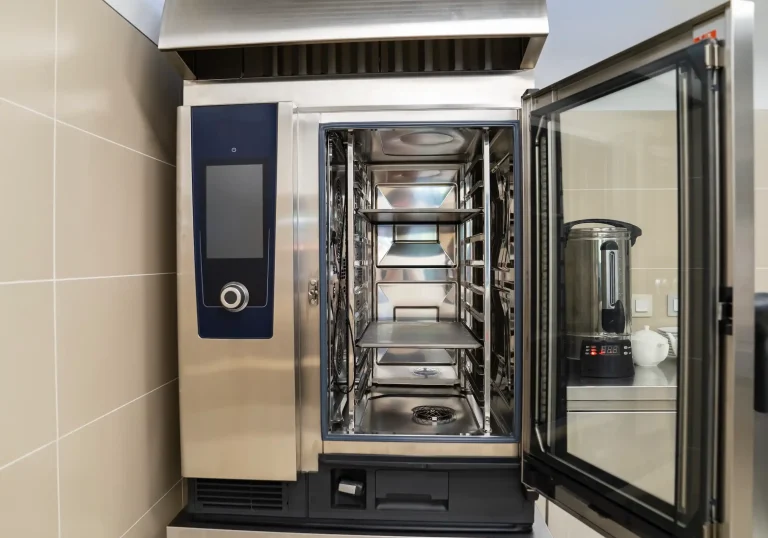
Assumption vs Reality in Oven Selection Design assumption: Once the oven passes factory testing and commissioning, performance is guaranteed. Operational reality: During the first full banquet service, protein yield drops, cooking times
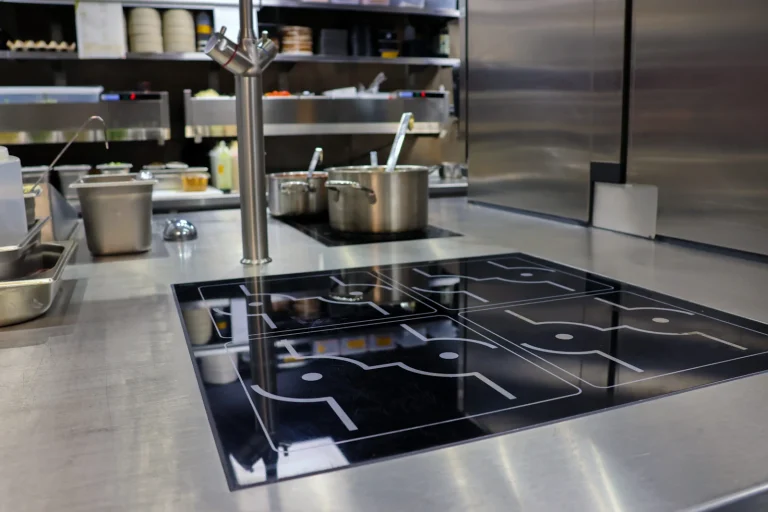
“The Debate Is Not Gas vs Electric. It’s Context vs Assumption.” In hotel and resort projects, this question comes up almost every time the BOQ is discussed: Should we choose gas