When Installation Is Finished but Testing Cannot Start
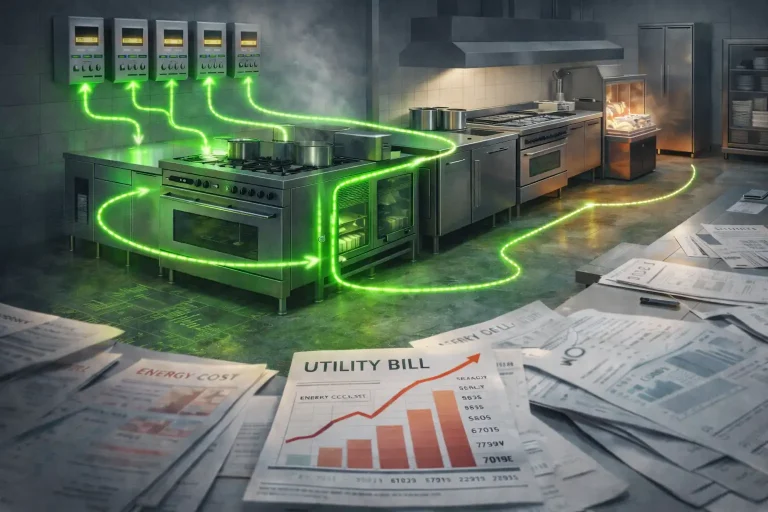
From our work on international commercial kitchen projects, we often see the same situation repeating itself. The equipment is delivered, installation is completed, and the site looks ready. But when it’s time for testing, nothing moves. Gas is not available, water points are installed differently than approved drawings, or electrical loads are not ready. The technician is already on site, and the opening date is getting closer. This is exactly where hidden costs start to appear.
As part of our turnkey kitchen projects, we’ve learned that hidden costs are rarely caused by equipment prices. They come from gaps between contractors, unclear responsibilities, and non-project-oriented planning. Contractors, consultants, kitchen designers, procurement managers, and facility teams all feel the impact when projects are not managed with a project-first mindset. Built in Turkey with global project discipline, CKP approaches this challenge differently.
What Are Hidden Costs in Commercial Kitchen Projects?
Hidden costs are not written in BOQs, and they are not visible in supplier quotations. They usually appear later, during installation, testing, or even operation. These costs include extra site visits, technician remobilization, flight changes, accommodation extensions, delays in opening, and operational inefficiencies that continue long after handover.
In many non-turnkey commercial kitchen projects, these costs are accepted as “normal.” In reality, they are symptoms of fragmented responsibility and weak coordination between kitchen works and MEP systems. We seen it many times on hotel kitchens, restaurant kitchens, and catering kitchens across different regions.
A Typical Non-Turnkey Scenario: How Hidden Costs Grow
In a non-turnkey setup, the kitchen contractor installs the equipment and declares the scope complete. The mechanical contractor finishes their scope based on a different interpretation of the drawings. The electrical contractor follows another reference. When commissioning time arrives, testing cannot proceed.
No single party owns the full picture. Everyone claims their part is done. Revision works start, walls are reopened, pipe routes are changed, and timelines shift. The technician must stay longer or return again. Flights are rebooked, accommodation costs increase, and the opening schedule becomes uncertain. These hidden costs accumulate quietly, but the project budget feels it strongly.
How Turnkey Commercial Kitchen Projects Change the Outcome
In turnkey kitchen projects, responsibility is centralized. Layout planning, MEP coordination, equipment selection, and testing are managed as one integrated scope. The site is checked and confirmed ready before technicians are mobilized. Test and commissioning are not optional extras; they are part of the project delivery.
This approach significantly reduces hidden costs. Time is controlled, accountability is clear, and the project progresses predictably. From central production kitchens to fine dining kitchens, the difference is not the equipment brand, but the project structure behind it.
Where Hidden Costs Most Commonly Appear on Site
Hidden costs usually emerge in very specific areas:
- Gas and electrical infrastructure not ready during testing
- Dishwashing areas built differently than approved layouts
- Hood and exhaust systems misaligned with cooking equipment
- Incorrect power calculations for high-load equipment
- OS&E items that do not fit operational workflows
- Last-minute revisions close to opening dates
These are not technical mistakes alone. They are coordination failures that could be avoided with proper project-first planning.
Turnkey vs Non-Turnkey: A Project Reality Comparison
To truly understand how hidden costs emerge, it helps to visualize how responsibility flows in different project models. The difference between turnkey and non-turnkey kitchens is not theoretical; it directly shapes site behavior, decision-making, and final project cost.
Visual Thinking: How Responsibility Flows on Site
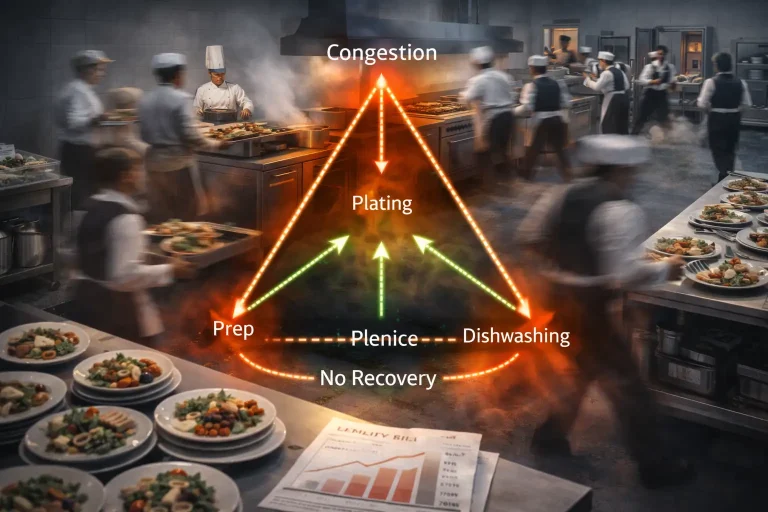
In a non-turnkey model, responsibility flows horizontally. Kitchen contractors, mechanical contractors, and electrical contractors work in parallel silos. Each party focuses on closing its own scope, often without full visibility of how its work impacts testing, commissioning, and operations. The result is gaps between kitchen layout, MEP infrastructure, and actual site readiness. These gaps are where hidden costs quietly grow.
In a turnkey model, responsibility flows vertically under a single project owner. Design coordination, MEP alignment, equipment supply, installation, and commissioning are managed as one continuous process. Issues are identified early, responsibilities are clear, and corrective actions are taken before problems reach the site.
Side-by-Side Project Comparison Table
Project Aspect | Turnkey Commercial Kitchen | Non-Turnkey Commercial Kitchen |
Responsibility Model | Single point of accountability | Fragmented across multiple parties |
Design & MEP Coordination | Integrated from early design stage | Often disconnected and reactive |
Test & Commissioning | Planned and included in scope | Unclear or disputed responsibility |
Technician Mobilization | Site confirmed ready before arrival | Technicians wait or must return |
Hidden Cost Risk | Low and proactively managed | High and cumulative |
Schedule Reliability | Predictable and controlled | Unstable and reactive |
Client & Operator Risk | Minimal operational exposure | High financial and operational risk |
This comparison becomes especially critical in hotel kitchens, resort kitchens, hospital kitchens, and large catering kitchens, where delays immediately affect opening dates, staffing plans, and brand reputation. We seen many clients underestimate this gap until they experience its impact first-hand.

Hidden Cost Risks in Commercial Kitchen Project Management
Hidden costs in commercial kitchen projects are often linked to project management risks rather than equipment selection. Delays during installation, poor MEP coordination, and unclear commissioning responsibilities are common triggers. These risks are especially visible in hotel kitchens, catering kitchens, and large-scale foodservice facilities where timing and workflow are critical. We seen that without a turnkey kitchen contractor managing the full scope, these risks tend to multiply rather than disappear.
Hidden Costs Most Contractors Don’t Warn You About
Even experienced contractors rarely warn clients about the hidden risks that appear after installation is completed. Based on real commercial kitchen projects, the most common hidden cost drivers include:
- Gas, water, or electrical infrastructure not ready at testing stage
- Commissioning responsibilities excluded or unclear in contracts
- Technicians waiting on site due to incomplete MEP works
- Last-minute layout corrections caused by coordination gaps
- Re-mobilization of installation and testing teams
These costs are not technical failures alone. They are planning and responsibility failures.
The CKP Project-First, Turkey-Built Approach
CKP operates with a project-first mindset. Equipment is not treated as standalone products but as parts of a complete commercial kitchen system. Manufactured in Turkey with project-specific engineering, our solutions are developed based on site conditions, workflow requirements, and operational goals.
Turkey-built production allows flexibility and control, while our turnkey project structure ensures that coordination gaps are closed before they become hidden costs. This approach supports contractors, consultants, and facility teams by reducing surprises during installation and commissioning.
Hidden Costs Are a Project Issue, Not a Supplier Issue
One of the most common misconceptions is that hidden costs come from supplier pricing. In reality, they come from how projects are planned and managed. When responsibility is fragmented, costs move underground. When responsibility is centralized, risks are controlled.
Commercial kitchens are complex systems. Treating them as simple equipment packages almost always leads to hidden costs later. A project-oriented, turnkey mindset changes this outcome.
Final Thought: Why Project-First Kitchens Perform Better
Hidden costs do not suddenly appear; they are created step by step through planning gaps and coordination failures. Turnkey commercial kitchen projects reduce these risks by design. Project-first thinking protects budgets, timelines, and operations.
At CKP, built in Turkey and delivered globally, we focus on managing what others leave between the lines. Because in commercial kitchen projects, what you don’t plan for usually costs the most.
Turnkey vs Non-Turnkey Kitchens – Quick Answers
What causes hidden costs in commercial kitchen projects?
Hidden costs are mainly caused by poor coordination between kitchen works and MEP systems, unclear responsibility during testing and commissioning, and reactive project management instead of a turnkey, project-first approach.
Why do turnkey commercial kitchens reduce project risk?
Turnkey commercial kitchens reduce risk by centralizing responsibility, aligning design with installation, and ensuring that testing and commissioning are planned as part of the project scope.
When do non-turnkey kitchen projects fail most often?
Non-turnkey kitchen projects most often fail during commissioning stages, when multiple contractors deny responsibility and project timelines begin to slip.